
How Leather Belts Are Made: A Step-by-Step Look
Leather belts are timeless accessories that combine style, functionality, and durability. But have you ever wondered how these iconic products are crafted? From sourcing the finest leather to the final touches, crafting a leather belt is a meticulous process that ensures quality and longevity. Here’s a step-by-step look into how leather belts are made.
Step 1: Sourcing the Leather
The process begins with selecting high-quality leather. Genuine leather belts are typically made from hides of animals like cows, buffalo, or goats. These hides are processed in tanneries, where they are treated to ensure durability and flexibility.
- Full-grain leather: The most durable and high-quality leather, used for premium belts.
- Top-grain leather: Slightly less durable but smoother and more refined.
Step 2: Tanning the Leather
Tanning is a crucial step that prevents the leather from decomposing and enhances its flexibility. There are two main tanning methods:
- Vegetable Tanning: A natural process using plant-based materials, ideal for eco-friendly belts.
- Chrome Tanning: A quicker process using chromium salts, producing softer leather.
The leather is dyed during tanning to achieve the desired color, such as classic black or brown.
Step 3: Cutting the Leather
Once tanned, the leather is cut into strips suitable for belts. This process involves:
- Measuring: Ensuring the strips are the right width and length.
- Precision Cutting: Using industrial cutters or hand tools for a clean edge.
Step 4: Shaping and Edging
The leather strip is then shaped and prepared for finishing.
- Edge Beveling: The edges are trimmed to create a smooth, rounded finish.
- Burnishing: The edges are polished to enhance durability and aesthetics.
This step is essential for both comfort and appearance.
Step 5: Adding Buckles
The buckle is a defining feature of a leather belt. Attaching the buckle involves:
- Punching Holes: Creating slots for the buckle tongue.
- Securing the Buckle: Using rivets or stitching to attach the buckle securely to the belt.
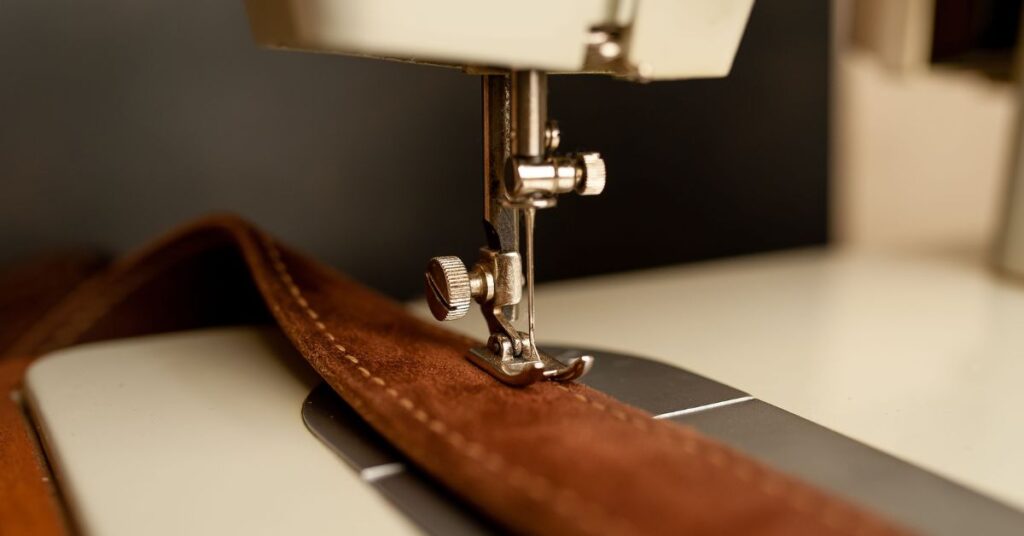
Step 6: Stitching and Detailing
Stitching adds strength and decorative elements to the belt.
- Reinforcement Stitching: Ensures the belt holds up under daily use.
- Decorative Stitching: Adds style and texture to the design.
Craftsmen may also emboss patterns or logos onto the belt for a personalized touch.
Step 7: Polishing and Finishing
Polishing gives the belt its final look and feel.
- Conditioning: Applying leather conditioner to maintain flexibility and shine.
- Final Inspection: Ensuring there are no imperfections in the belt.
Step 8: Packaging
The finished belts are packaged to protect them during shipping and to enhance their presentation. Premium belts are often delivered in branded boxes or fabric pouches.
Why Choose Leather Belts?
Leather belts are not just functional; they are an investment in style and durability. A well-made leather belt can last for years, aging beautifully over time.
Why Buy Leather Belts from Elvo?
At Elvo, we specialize in premium leather belts crafted with care and precision. Our belts are:
- Made from high-quality genuine leather.
- Designed for comfort and durability.
- Available in classic styles and modern designs.
Discover our collection of leather belts and elevate your wardrobe with timeless elegance.
Conclusion
The process of making leather belts is a blend of traditional craftsmanship and modern techniques. From selecting the finest leather to adding intricate details, every step ensures the creation of a high-quality product. Next time you wear a leather belt, you’ll appreciate the artistry behind it even more.
Shop Now at Elvo to find the perfect leather belt for your style!
4.5